INCI
Only Argania Spinosa Kernel Oil on a pure product.

Pure argan oil is a single ingredient: Argania Spinosa Kernel Oil. Color, scent, pack, and price all help you reject diluted or perfumed bottles before they reach your formula — or your skin.
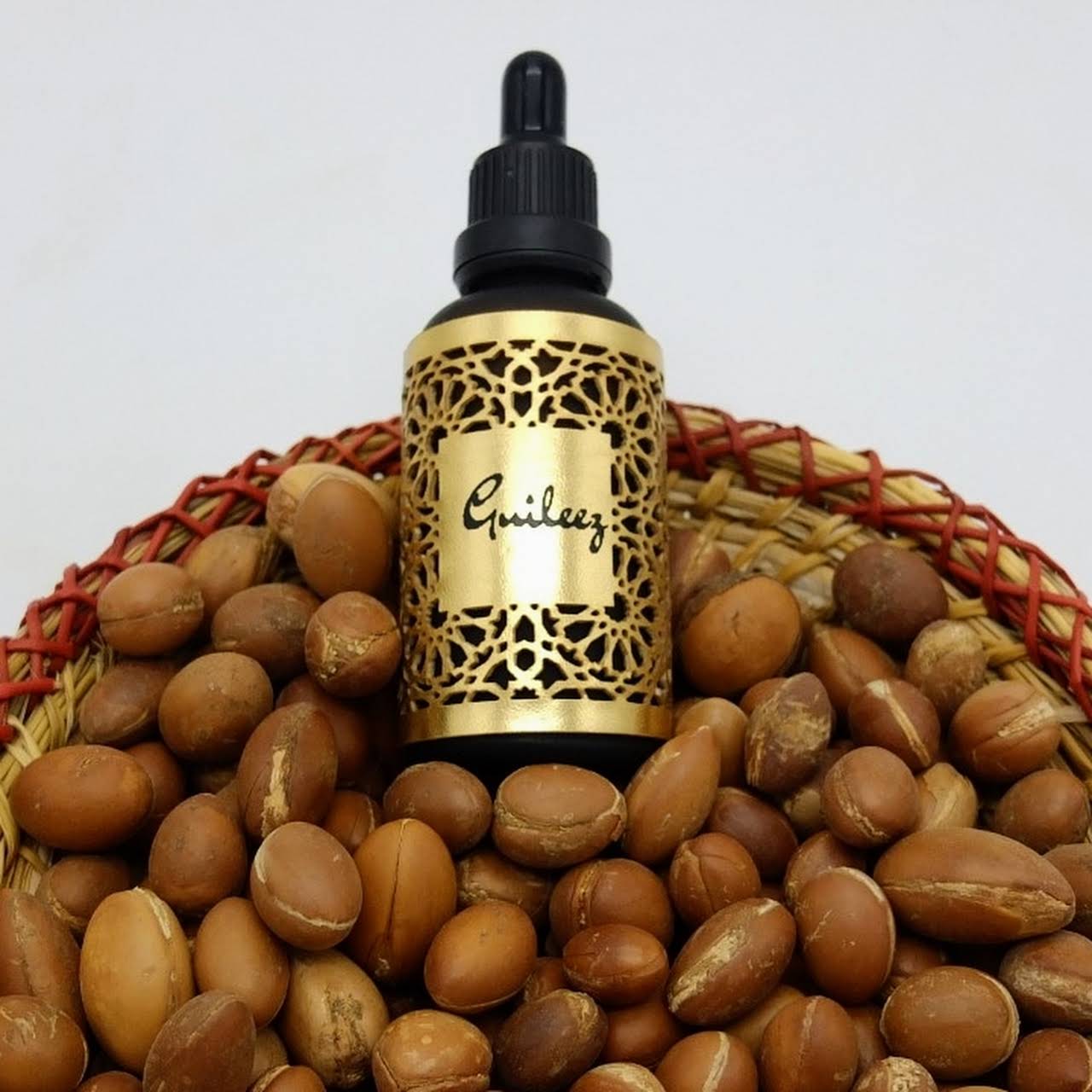
If the list includes sunflower, mineral oil, fragrance, or “parfum,” it is not a pure argan oil. A blend can still be a decent product, but it should not be sold as 100% argan.
INCI for the genuine oil is Argania Spinosa Kernel Oil. That name should stand alone on a pure SKU.
Purity is a label claim you can check in five seconds. Start there, then use your nose.
Cosmetic oil smells mildly nutty, not like perfume or old fryer oil. It spreads thinly and absorbs without a heavy greasy film. Dark amber or cobalt glass protects it; clear plastic in a shop window does not.
Price is a filter. Kernel cracking is labor-intensive. A 100 ml bottle at a giveaway price is usually cut with cheaper oil.
Only Argania Spinosa Kernel Oil on a pure product.
Mild nutty. No perfume, no rancid note.
Dark glass for retail; lot-coded drums for bulk.
COA for wholesale. Organic cert if you claim organic.
Cold-pressed oil can be slightly cloudy when cool and brighten as it warms. Cloudiness alone is not proof of a fake — rancid smell is a worse sign.
Home fridge tests are unreliable. Use ingredients, sensory checks, and lab documents instead.
Batch COA, a retained sample, and a supply chain that does not blend unknown lots.
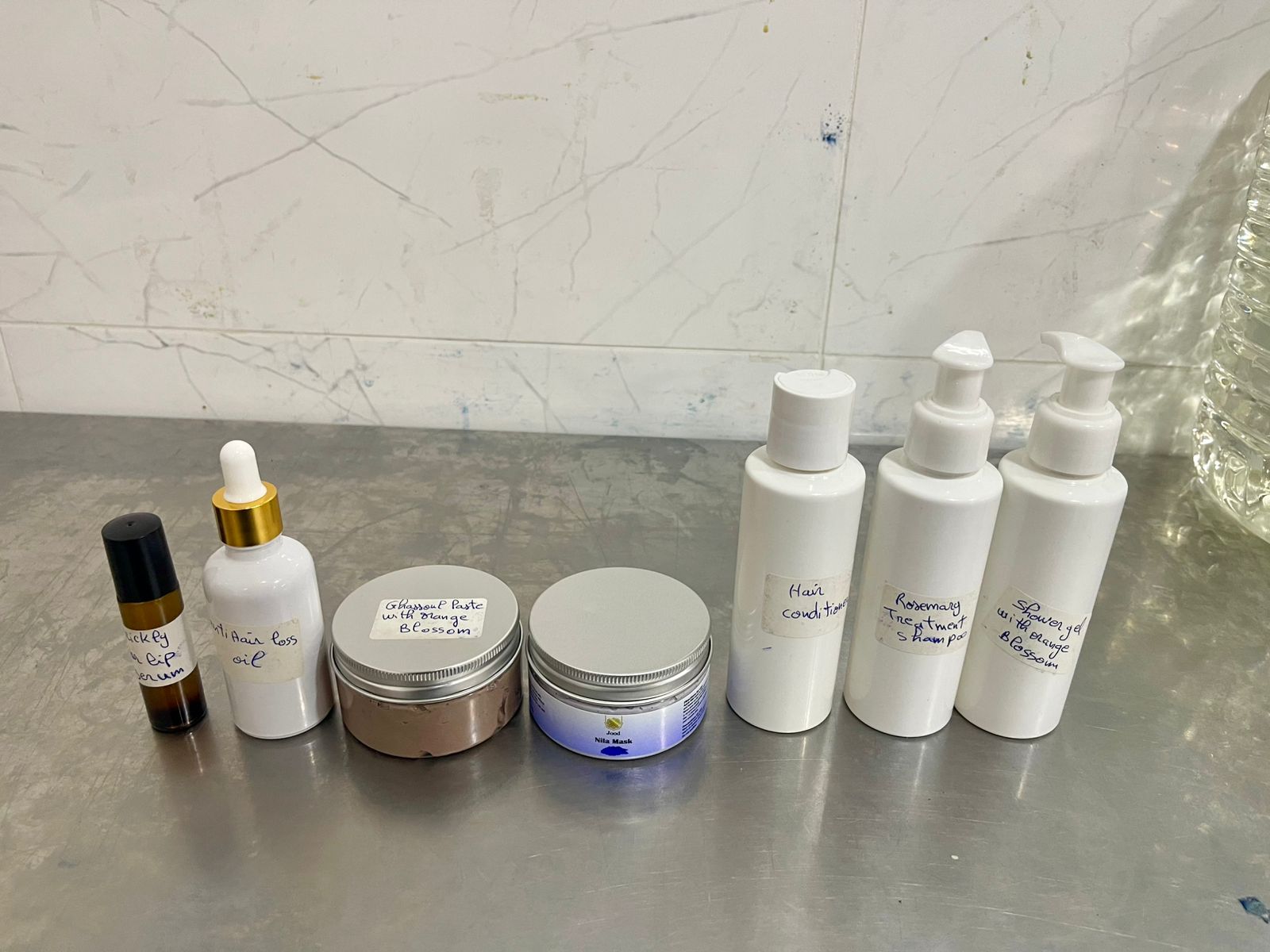
Cold-pressed from raw kernels for hair, skin, nails, and body. Used in serums, creams, and professional hair oils.
Read article
Pressed from roasted kernels for Moroccan cooking, salads, and drizzling over warm bread. Darker hue, nutty aroma.
Read article
Preserves nutrients and natural aroma. Machine-processed oil is faster but heat can reduce overall potency.
Read articleWe supply unblended Moroccan argan oil with lot COAs. Request a sample to check scent and feel before you order drums.