Known origin
Oil is linked to cooperatives in the Agadir argan region rather than a blended pool of unnamed lots.

Argan oil purchased at origin from Amazigh women's cooperatives in the Agadir region — not from anonymous traders. Direct sourcing keeps the oil authentic, the supply chain short, and more value with the communities that crack the kernels.
Most of the skilled work in argan oil — collecting fruit, cracking nuts, and traditional know-how — sits with cooperatives across the Souss-Massa argan forest. Buying through long chains of traders makes it easy for oil to be blended, relabeled, or mixed with cheaper seeds before it reaches an exporter.
We work directly with cooperatives so the oil you import is single-origin Moroccan argan oil with a known production path. That is how we can stand behind purity claims and still talk honestly about social impact: wages, local employment, and reinvestment stay closer to the people who produce the kernels.
For brands, the commercial benefit is the same as the ethical one. A short chain is easier to audit, easier to explain on a product page, and harder to fake.
Direct cooperative supply is a quality control method as much as a sustainability story.
Buyers choose this model when they need both a verifiable origin story and oil that has not been through an opaque wholesale market.
Oil is linked to cooperatives in the Agadir argan region rather than a blended pool of unnamed lots.
Direct purchasing supports wages and local processing instead of stacking intermediary margins.
Kernel work stays with cooperatives; filtration, testing, packing, and freight meet international B2B standards.
Packaging and websites can describe a real supply chain — cooperatives, cold pressing, and documents — without vague 'sourced in Morocco' language.
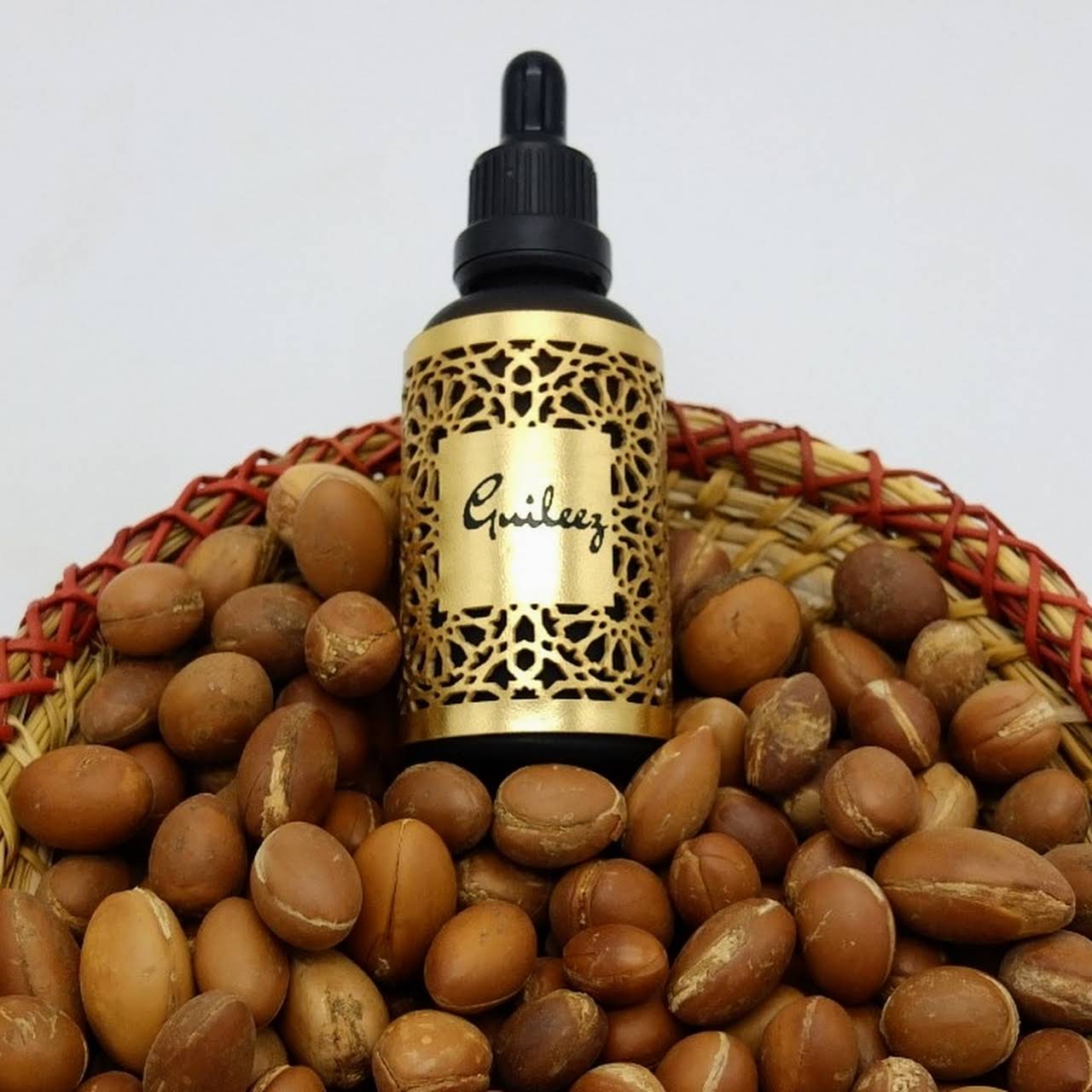
Harvesting follows the rhythm of the argan forest. Export packing follows your purchase order.
Ripe fruit is collected under practices meant to protect the UNESCO-listed argan woodland in southwestern Morocco.
Women's groups dry fruit, crack shells, and prepare kernels. This is the labor-intensive step that defines genuine argan oil.
Kernels are pressed, the oil is filtered and tested, and lots are coded for the documents that travel with export.
We handle quotes, packing, freight, and certificates so you receive cooperative oil in a format your plant can use.
Lines that publish origin stories and need a supply chain that matches the copy.
Treatments sold around Moroccan heritage and women's cooperative production.
Retail oils that mention Morocco on pack and must be able to prove it.
Importers who compete against diluted 'argan' products by showing a shorter chain.
No. We source from cooperatives we work with and keep lots identified. That is the point of a direct model.
Yes. We can describe the region, cooperative model, and process at a level suitable for packaging and product pages, without inventing a farm that does not exist.
You still receive cold pressed cosmetic (or food-grade if ordered) argan oil with COA and SDS. The difference is the supply path behind that spec.
Women's groups carry most of the kernel work in this industry. Our purchasing is built around those cooperatives and the local labor around Agadir.
Same origin, different packing, certification, or supply model. Open a product for specs and documents.
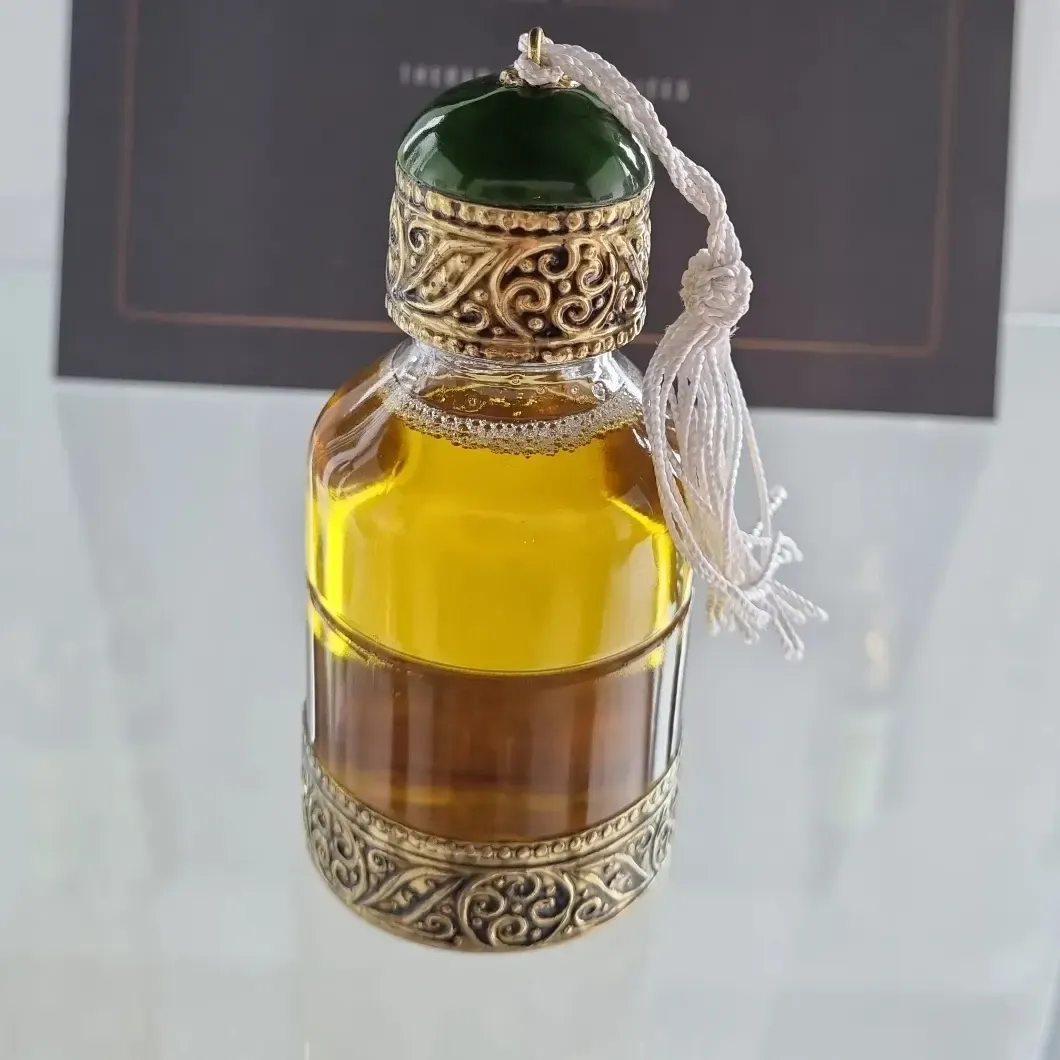
Our cold pressed extraction method preserves natural nutrients, rich antioxidants, light golden color, and the subtle, organic aroma of the argan kernel.
View details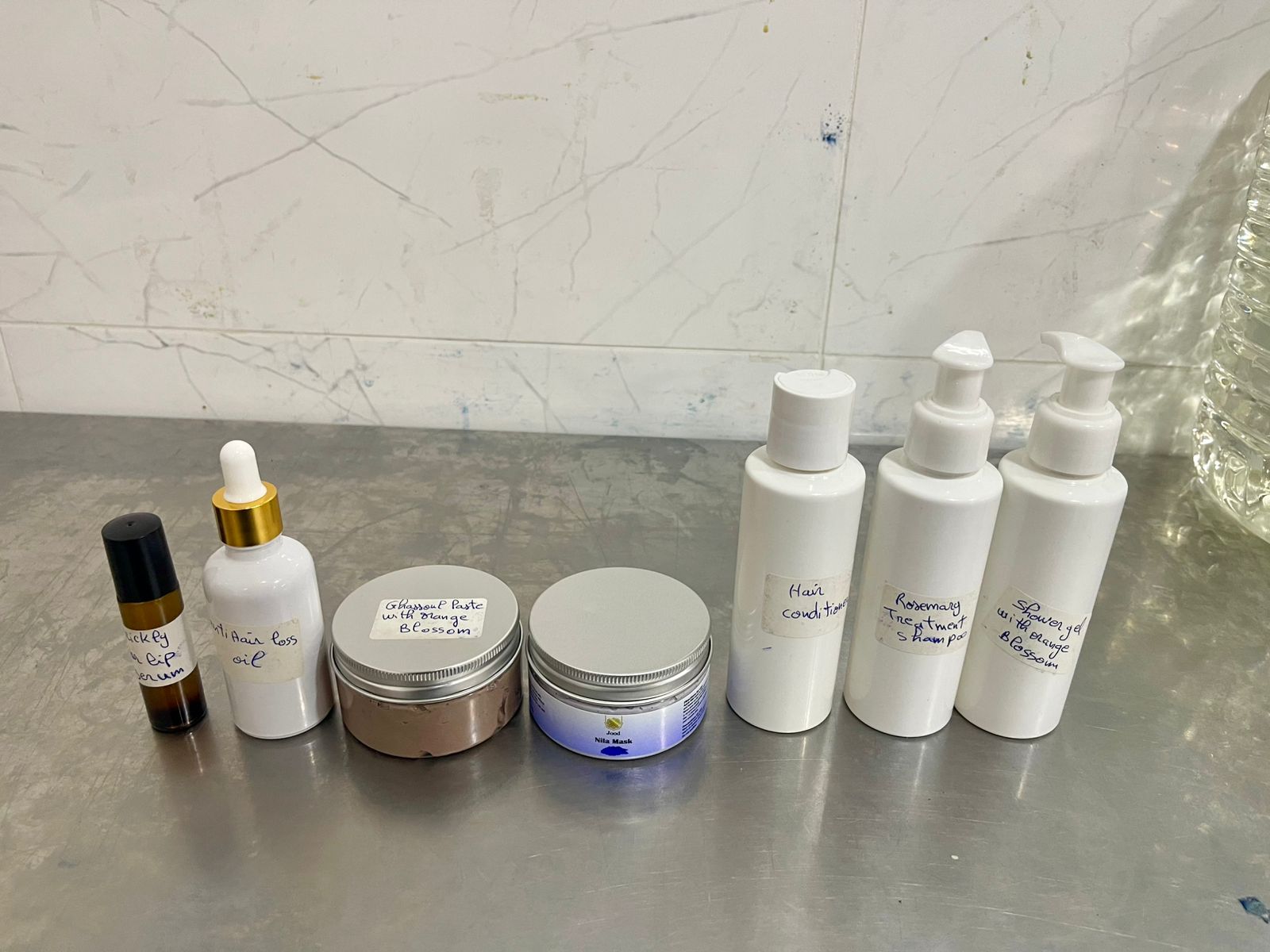
100% organic certification. We supply ECOCERT and USDA Organic certified Moroccan argan oil, meeting strict international purity regulations.
View details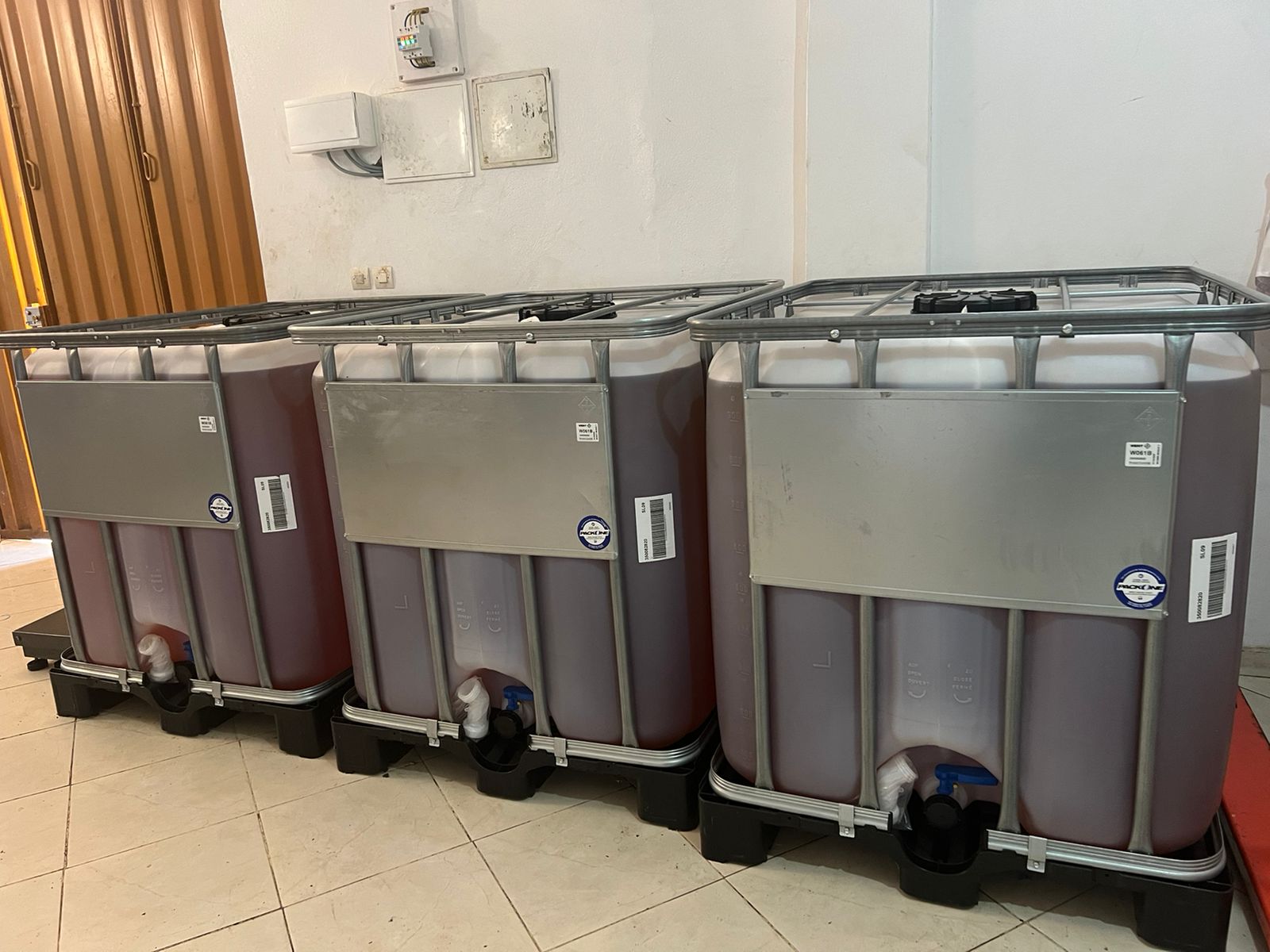
We supply in bulk sizes ranging from 1-liter bottles and 5-liter jerrycans to 200-liter drums and 1000-liter IBC containers, adapting to any business size.
View details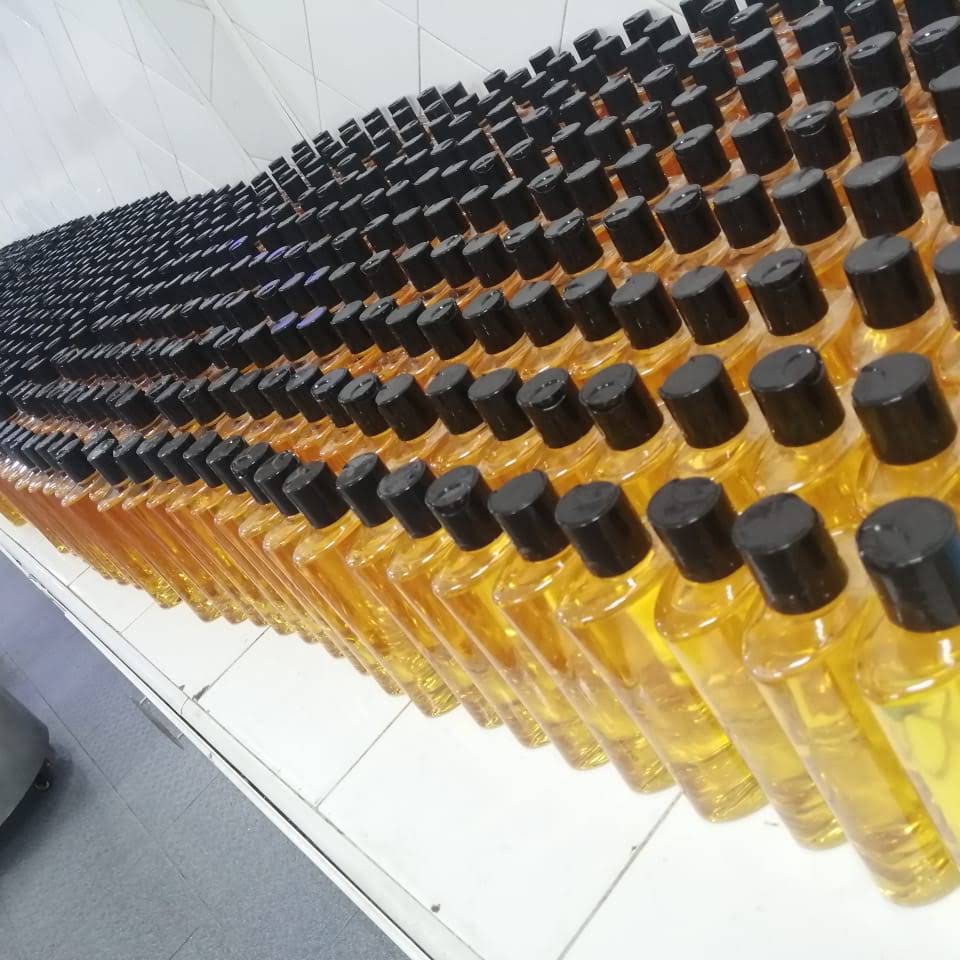
Every single wholesale argan oil batch comes with comprehensive documentation: Certificates of Analysis (COA), SDS (Safety Data Sheets), and export paperwork.
View details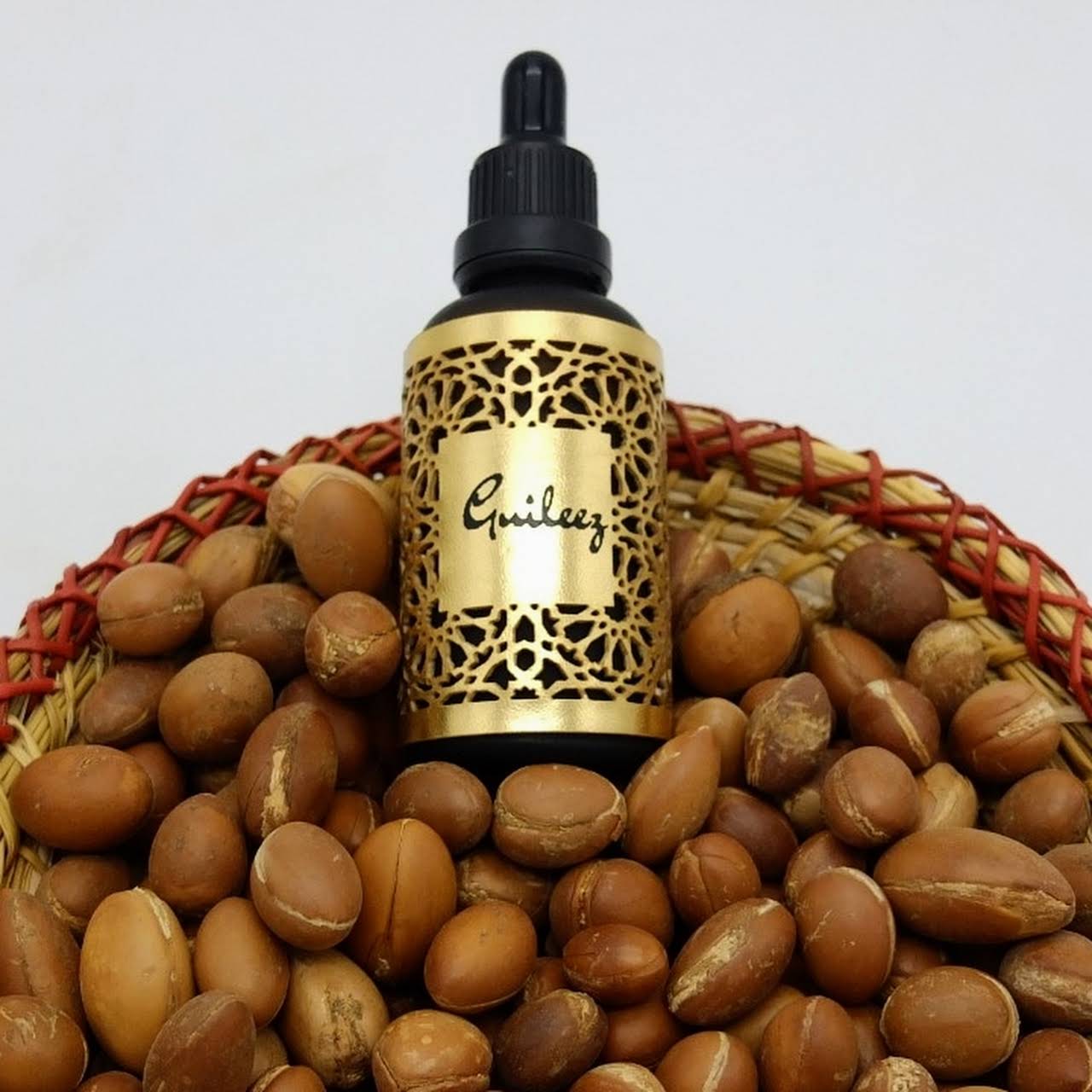
The gold standard single-ingredient cosmetic oil. Cold pressed, unrefined, and deodorized options available for face, hair, and body.
View details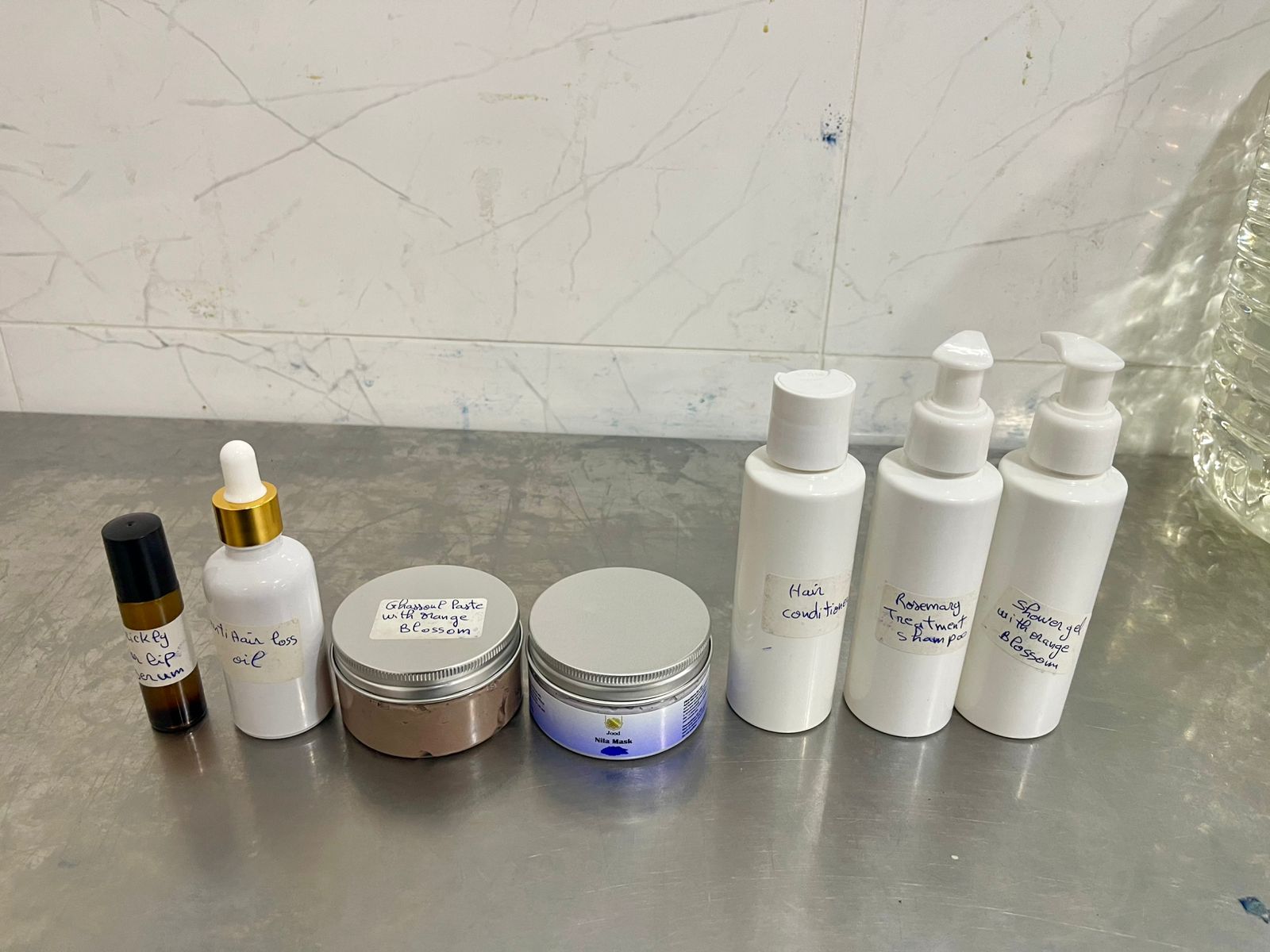
Enriched formula designed for shine, frizz control, heat protection, and split ends. Lightweight, silky finish that absorbs quickly.
View details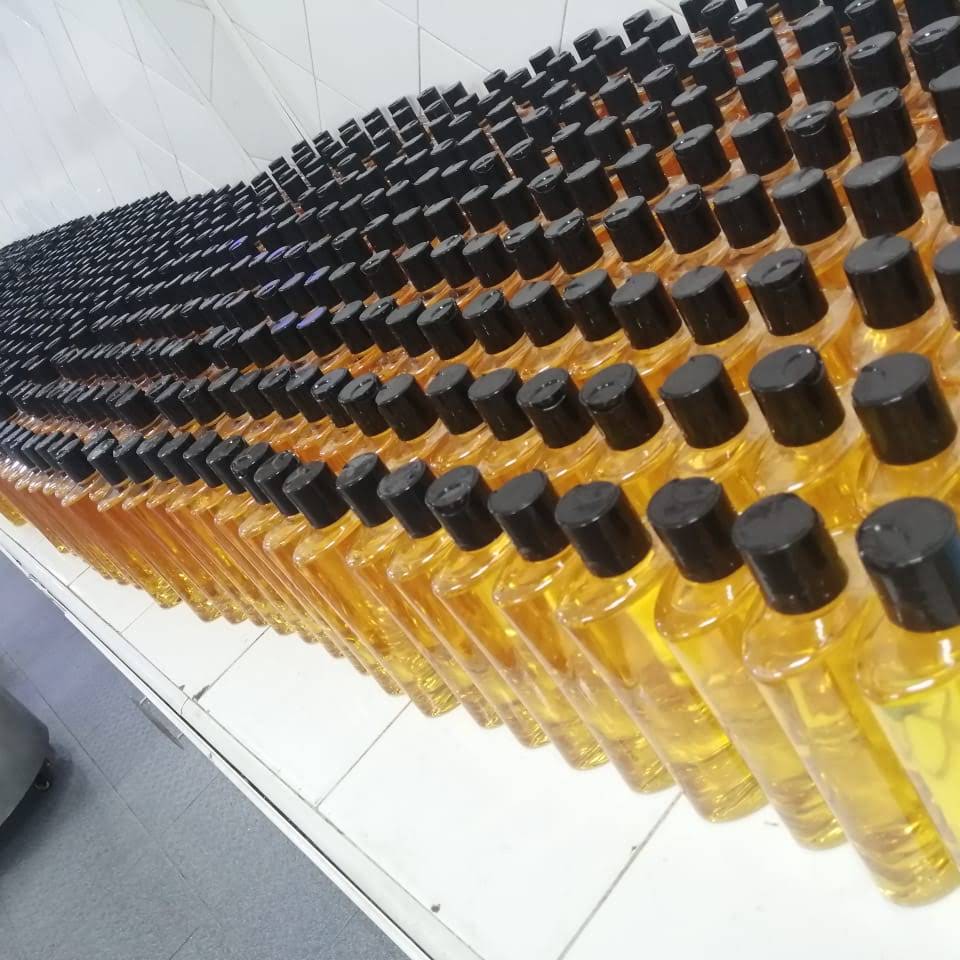
High-value luxury blend combining organic argan oil with rare prickly pear seed oil and vitamin E for deep cellular hydration and youth restoration.
View details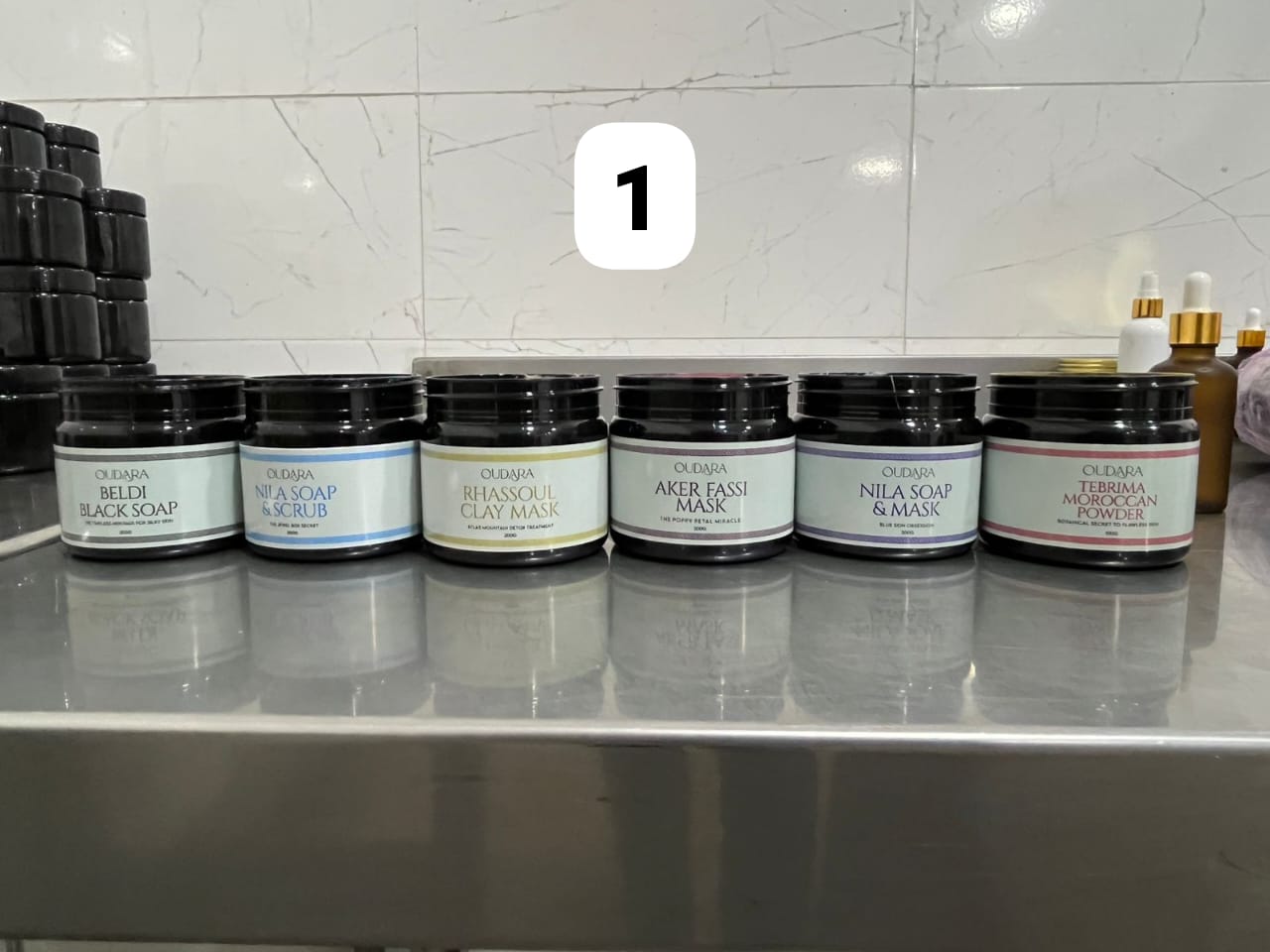
Deep conditioning blend for beard hair and facial skin. Softens coarse hair, reduces beard itch, and provides a subtle, natural masculine scent.
View details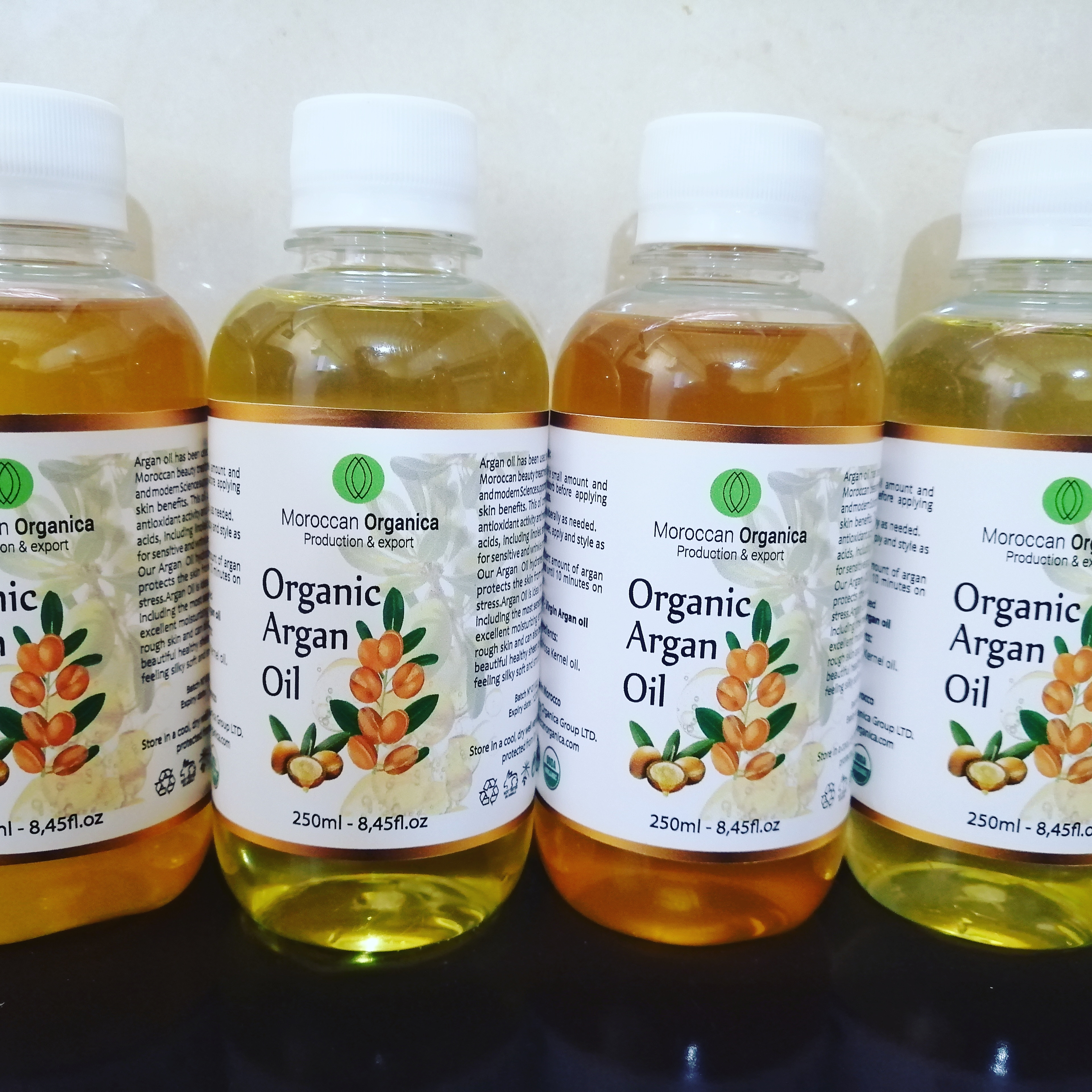
Versatile, nourishing body oil that locks in moisture after showering or provides smooth glide for professional spa massage therapies.
View details
Certified organic batch oil with full audit traceability back to cooperative harvesting. Meets strict global clean beauty retail standards.
View detailsTell us your volume and whether you need organic certification. We will quote cooperative-sourced oil packed for your market.