Unroasted kernels
Cosmetic oil starts from raw kernels. Roasted kernels are for cooking.

El argán cosmético procede de frutos no tostados para mantener su tono dorado claro y textura sedosa. Criterios clave para marcas importadoras.
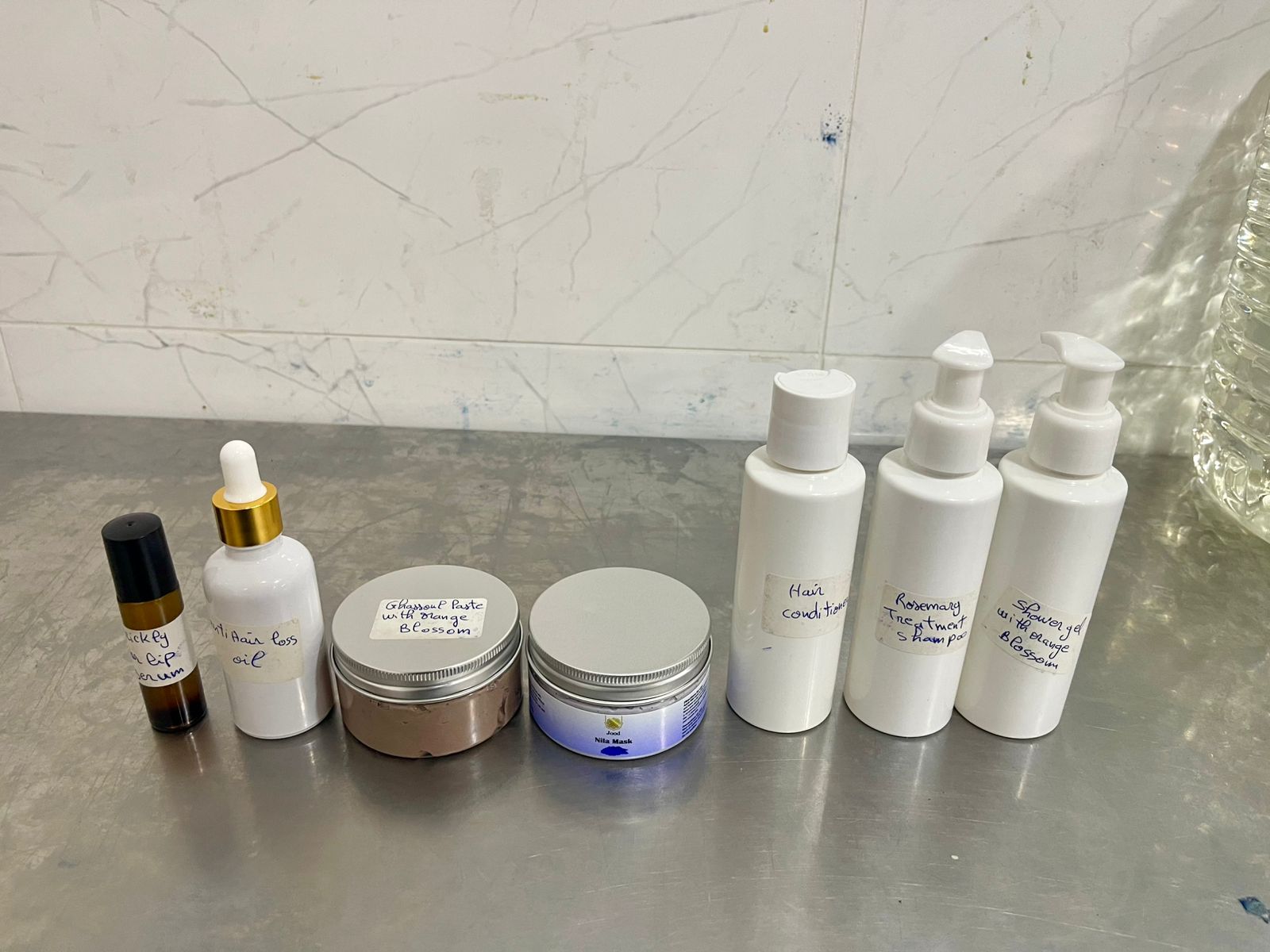
Cosmetic argan oil is pressed from raw, unroasted kernels of Argania spinosa. Skipping the roast keeps color pale gold, aroma mild, and the fatty-acid profile suited to leave-on skin and hair products. Culinary oil, by contrast, is roasted first and smells like toasted nuts.
On an ingredient list the oil should appear as Argania Spinosa Kernel Oil only. Perfume, silicone, or cheaper seed oils (sunflower, soybean) mean you are not buying a single-ingredient cosmetic oil.
Brands use this grade in facial serums, moisturizers, hair oils, beard products, and as a lipid phase in creams. Wholesale lots should match that sensory profile: light gold, fast absorbing, not deodorized into a blank oil.
If the oil is dark amber and strongly roasted, it is culinary — not the cosmetic grade you want for a serum.
In Morocco, cooperatives around Agadir and Essaouira are the most reliable source for certified cosmetic oil. Ask whether kernels were roasted, whether the press is mechanical and cold, and whether USDA Organic or ECOCERT paperwork exists for the lot.
Importers should request a certificate of analysis, SDS, and origin documents before a first drum. Samples let you check color, odor, and skin feel against the spec you will print on pack.
Cosmetic oil starts from raw kernels. Roasted kernels are for cooking.
The ingredient list should read Argania Spinosa Kernel Oil — nothing else.
Mechanical pressing without solvents keeps vitamin E and a light texture.
COA, SDS, and organic certificates if you will claim organic on pack.
It is edible in principle, but culinary oil is roasted for flavor. Use cosmetic oil on skin and hair; buy roasted oil for the kitchen.
Not always, but USDA Organic or ECOCERT matters if your finished product will carry an organic claim or sell into clean-beauty retail.
Dark glass for retail. For wholesale, food-grade jerrycans, drums, or IBC totes with lot codes matching the COA.
Elaborado con semillas tostadas con su inconfundible aroma a avellana tostada para alta gastronomía.
Leer artículo
Por qué el prensado mecánico sin calor ni disolventes es el único admisible para exportación.
Leer artículo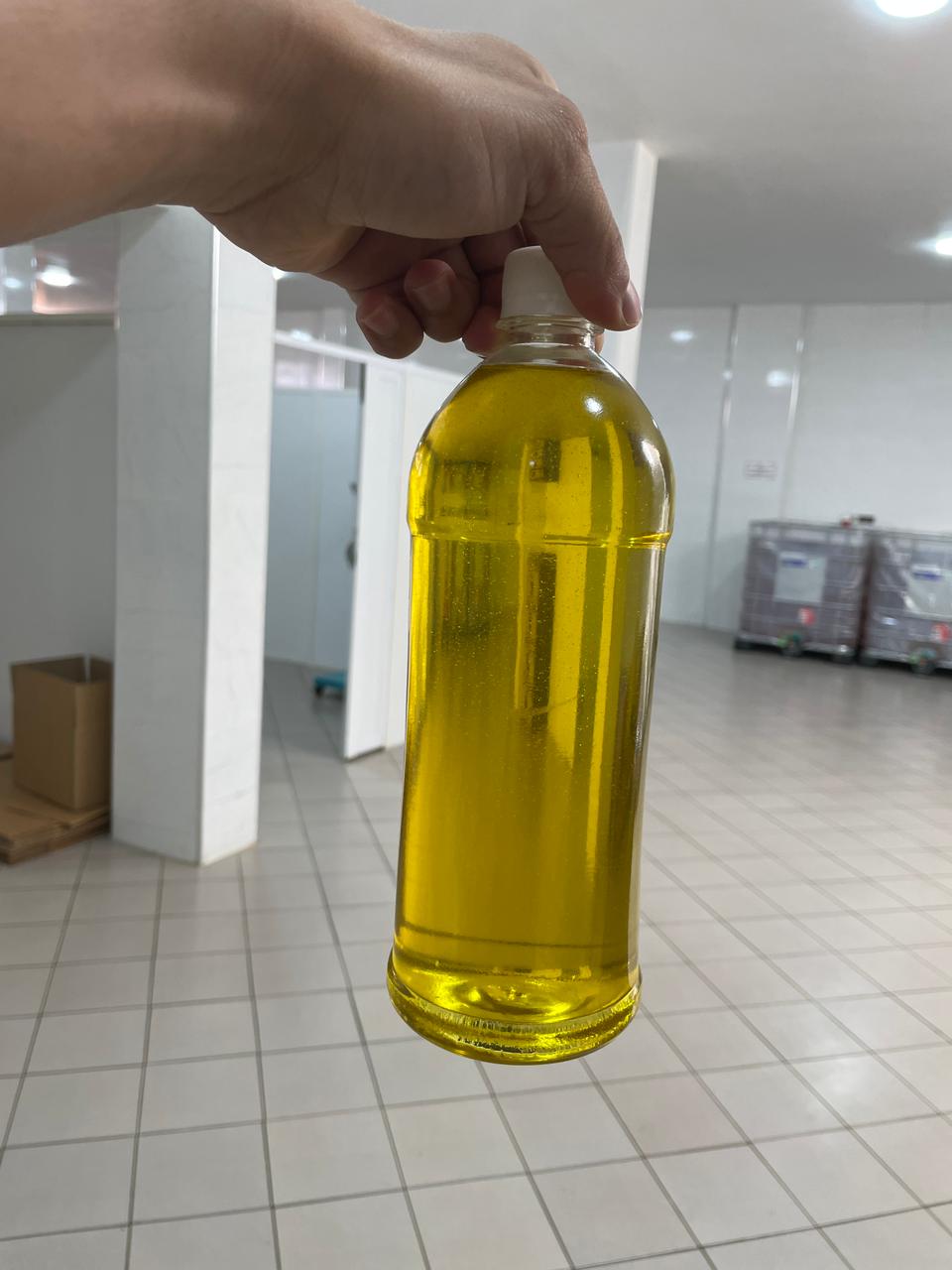
El impacto humano y la autenticidad del aceite elaborado en cooperativas de mujeres de Souss-Massa.
Leer artículo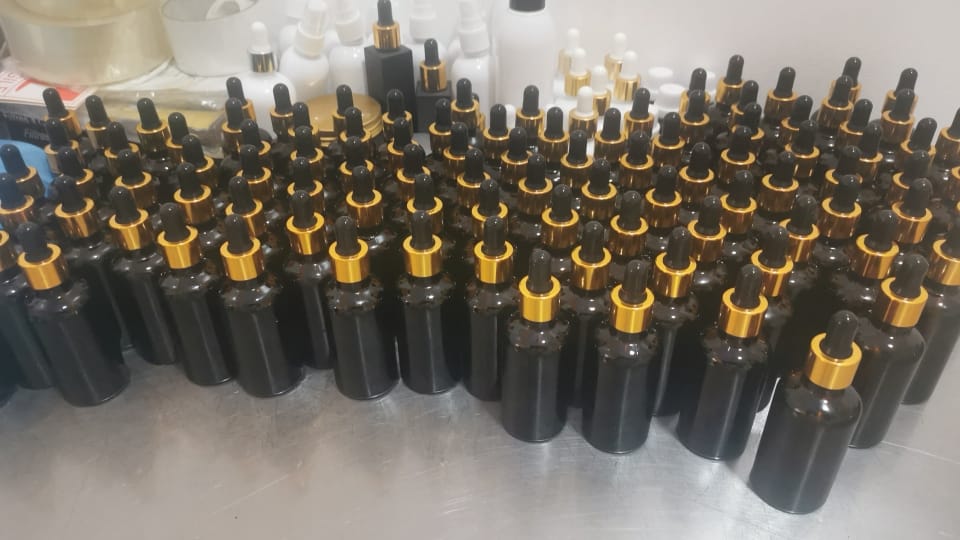
Marrakech and Fes medinas are vibrant but require caution. Ask for certification and avoid heavily perfumed oils.
Leer artículo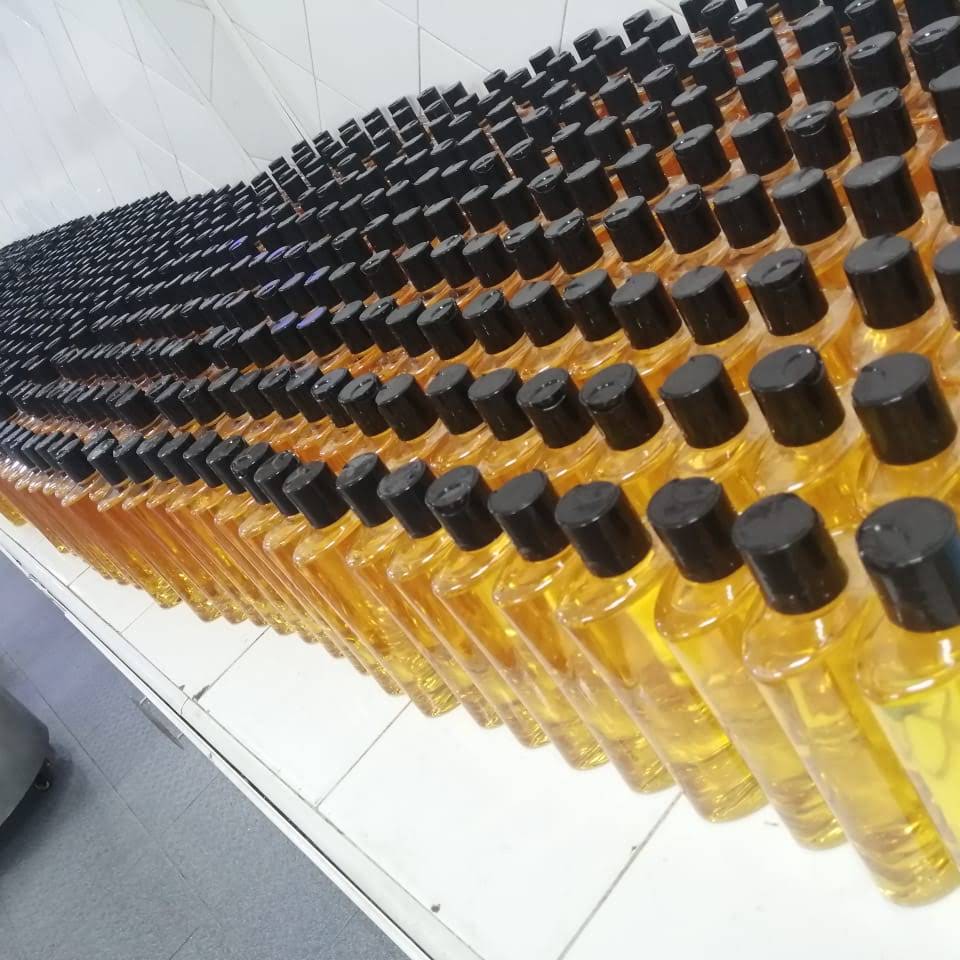
Casablanca and Rabat pharmacies stock regulated cosmetic oils with clear labeling and hygienic handling.
Leer artículo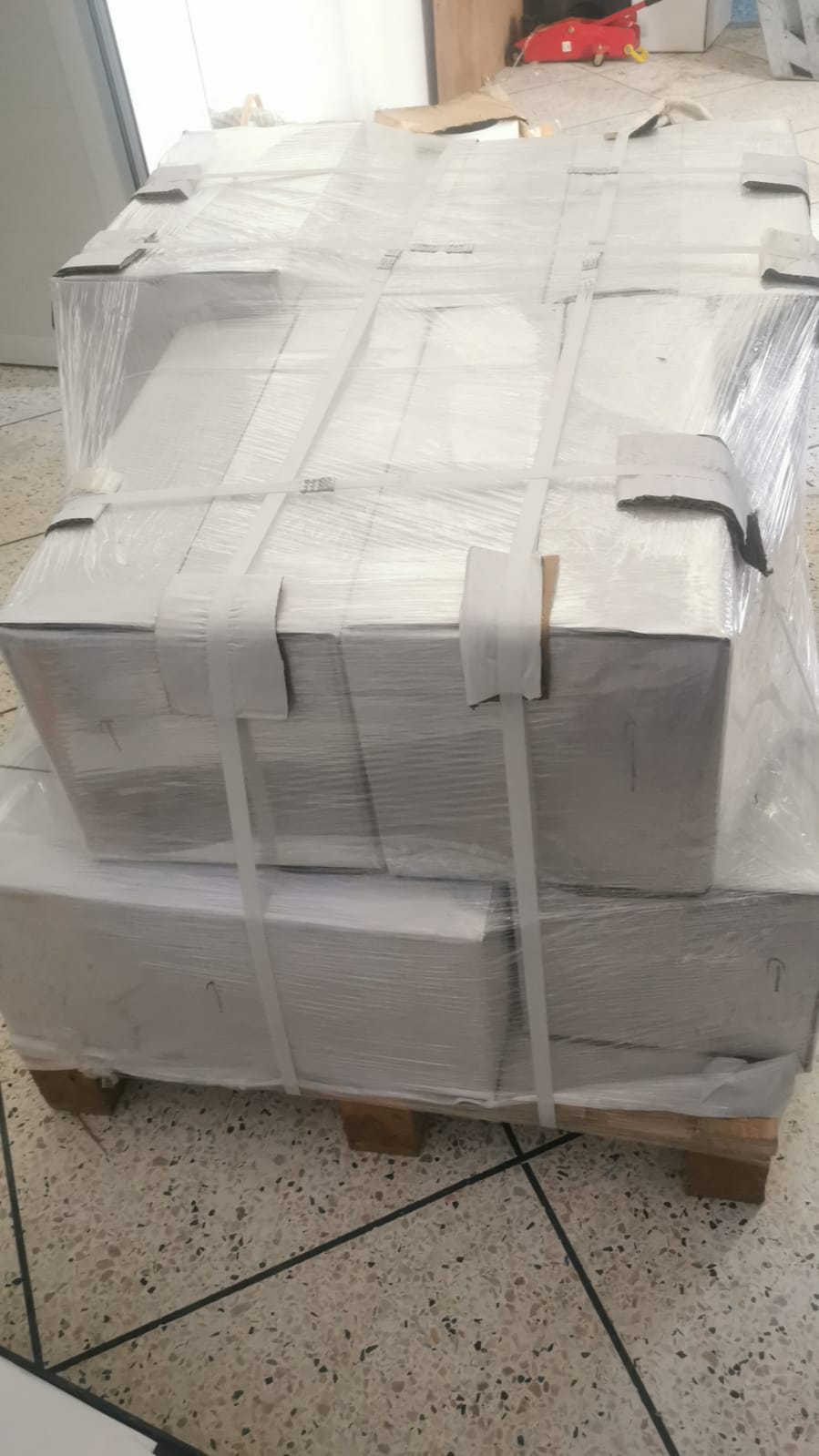
Ideal for B2B buyers abroad. Verify COA, SDS, and organic paperwork before placing bulk or private label orders.
Leer artículo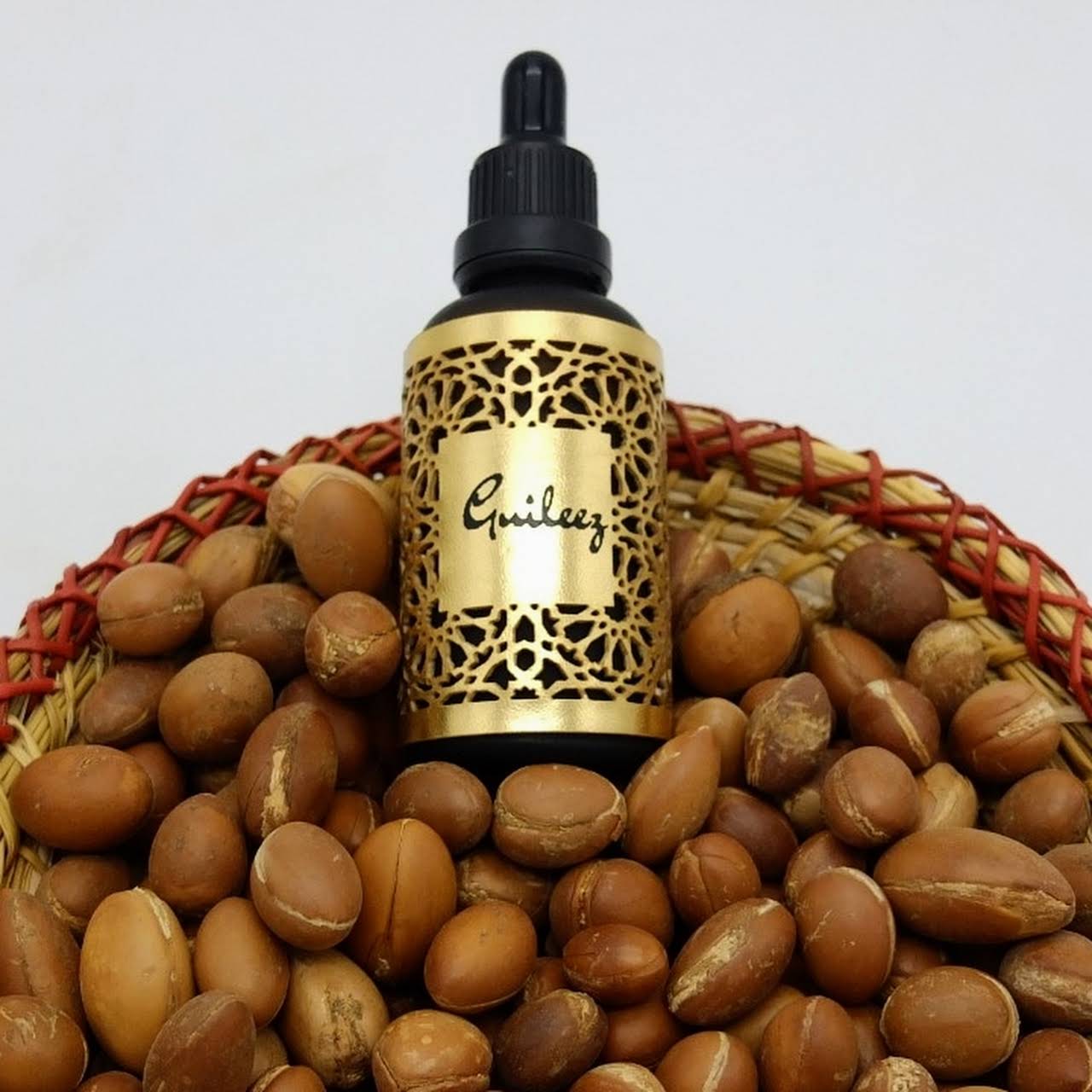
Pruebas sensoriales y análisis de laboratorio para detectar mezclas adulteradas o aceites rancios.
Leer artículo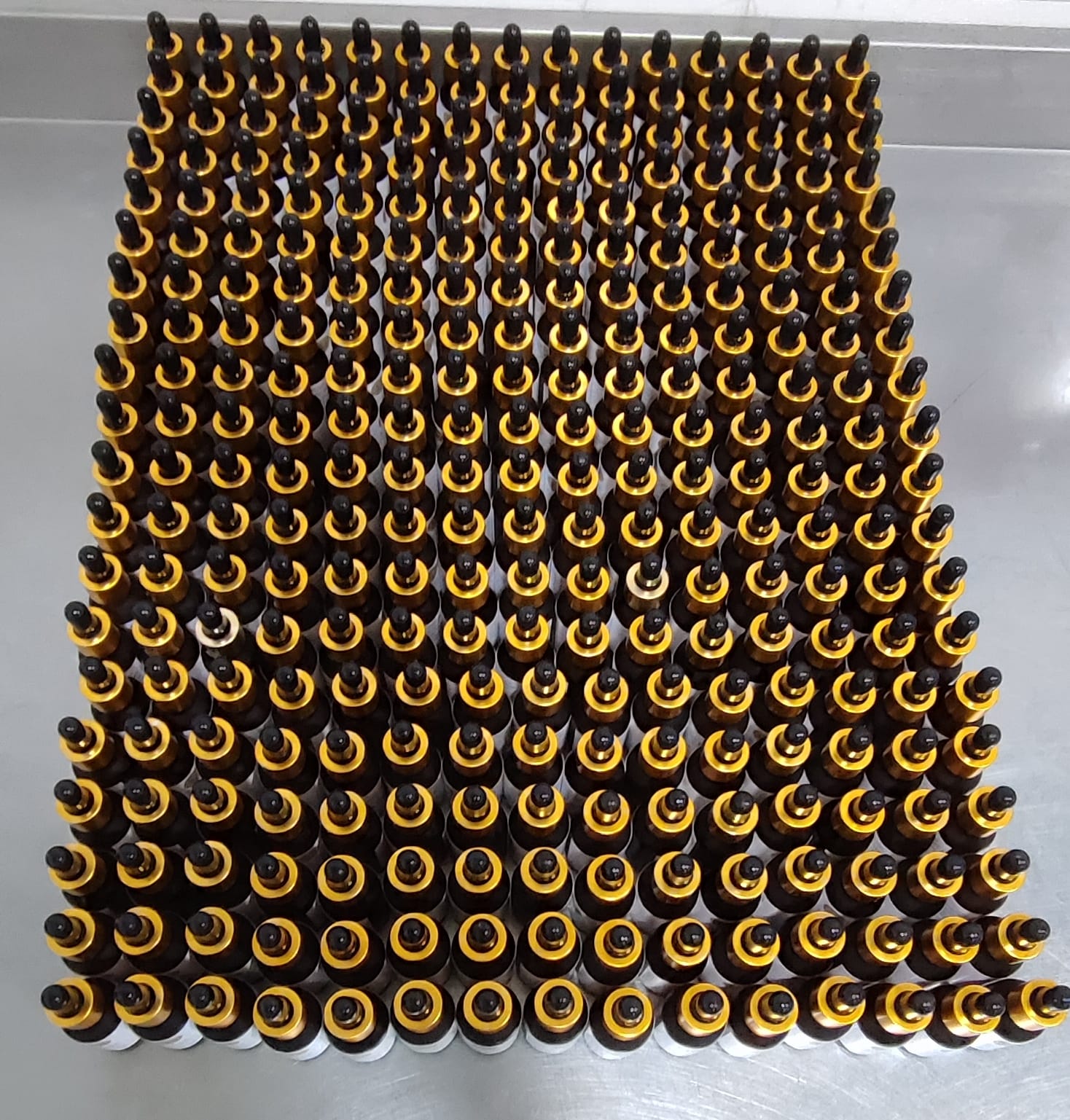
Cómo lanzar su propia marca de cosmética a base de aceite de argán marroquí certificado.
Leer artículo
Cómo incorporar el argán en el cuidado diario para nutrir, equilibrar y aportar luminosidad a la piel.
Leer artículo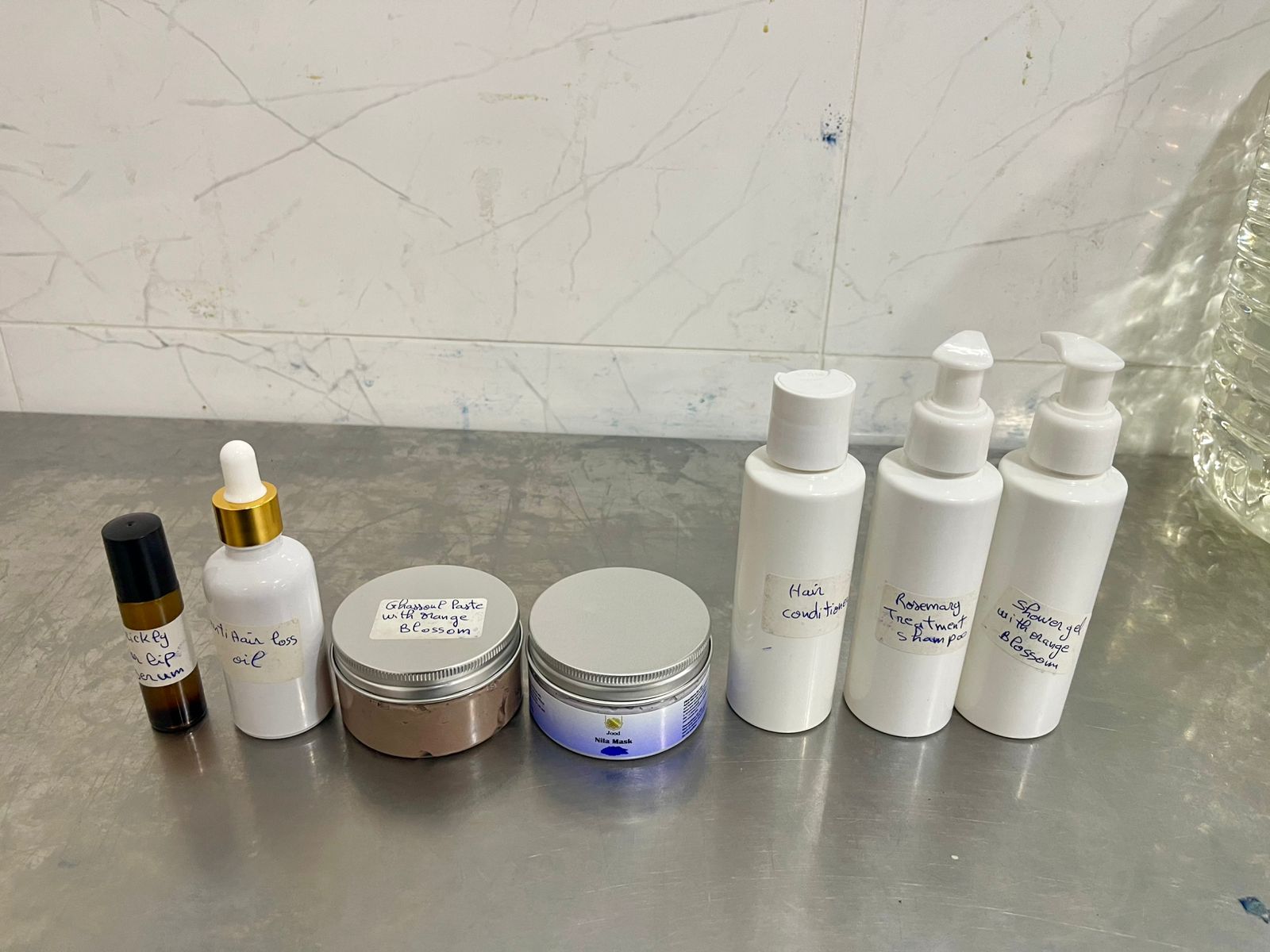
Mascarillas de aceite, sellado de puntas abiertas y cuidado del cuero cabelludo para cabellos secos.
Leer artículo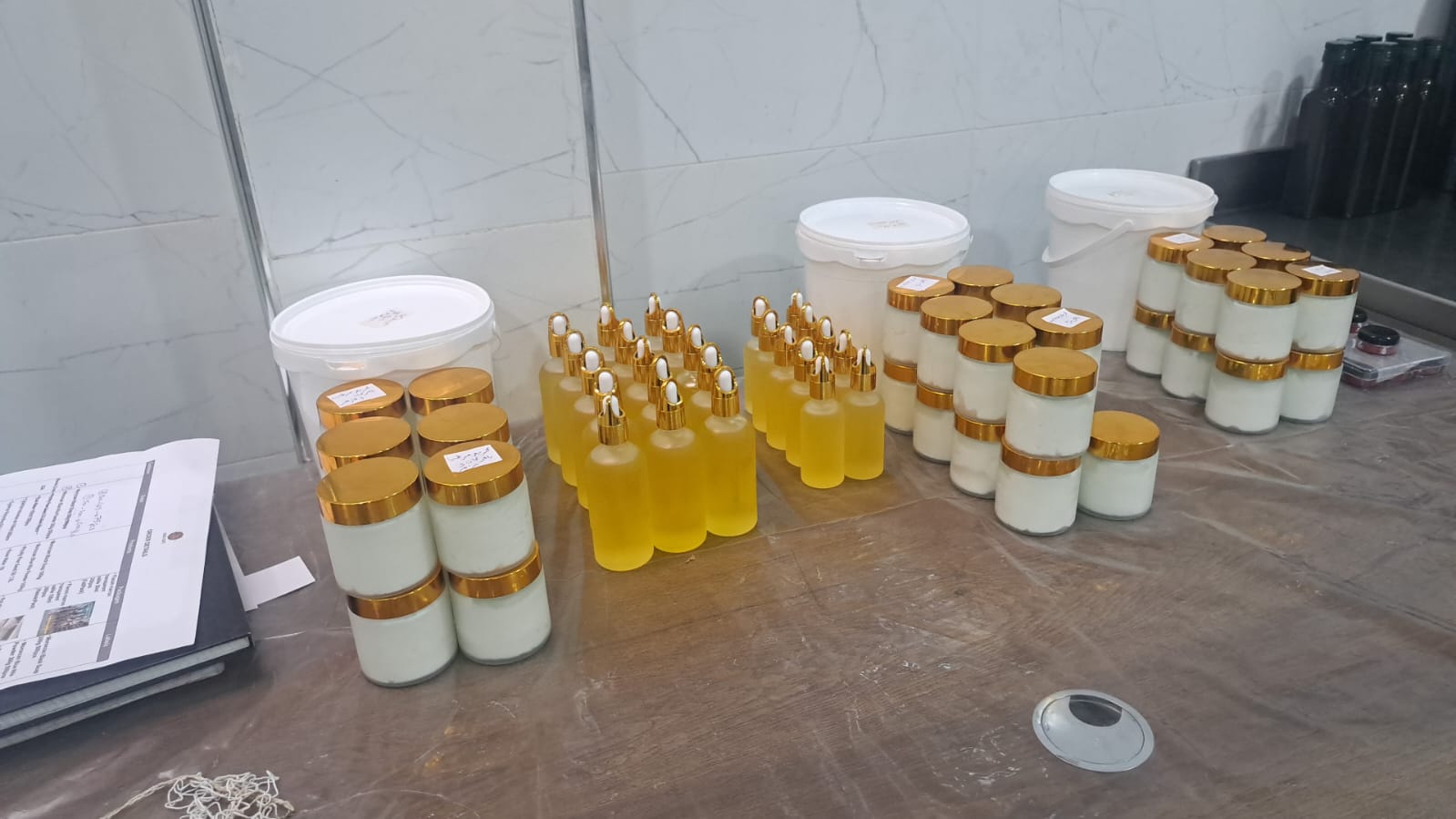
Apply on damp skin after a warm shower. Works well on arms, legs, elbows, knees, hands, and feet.
Leer artículo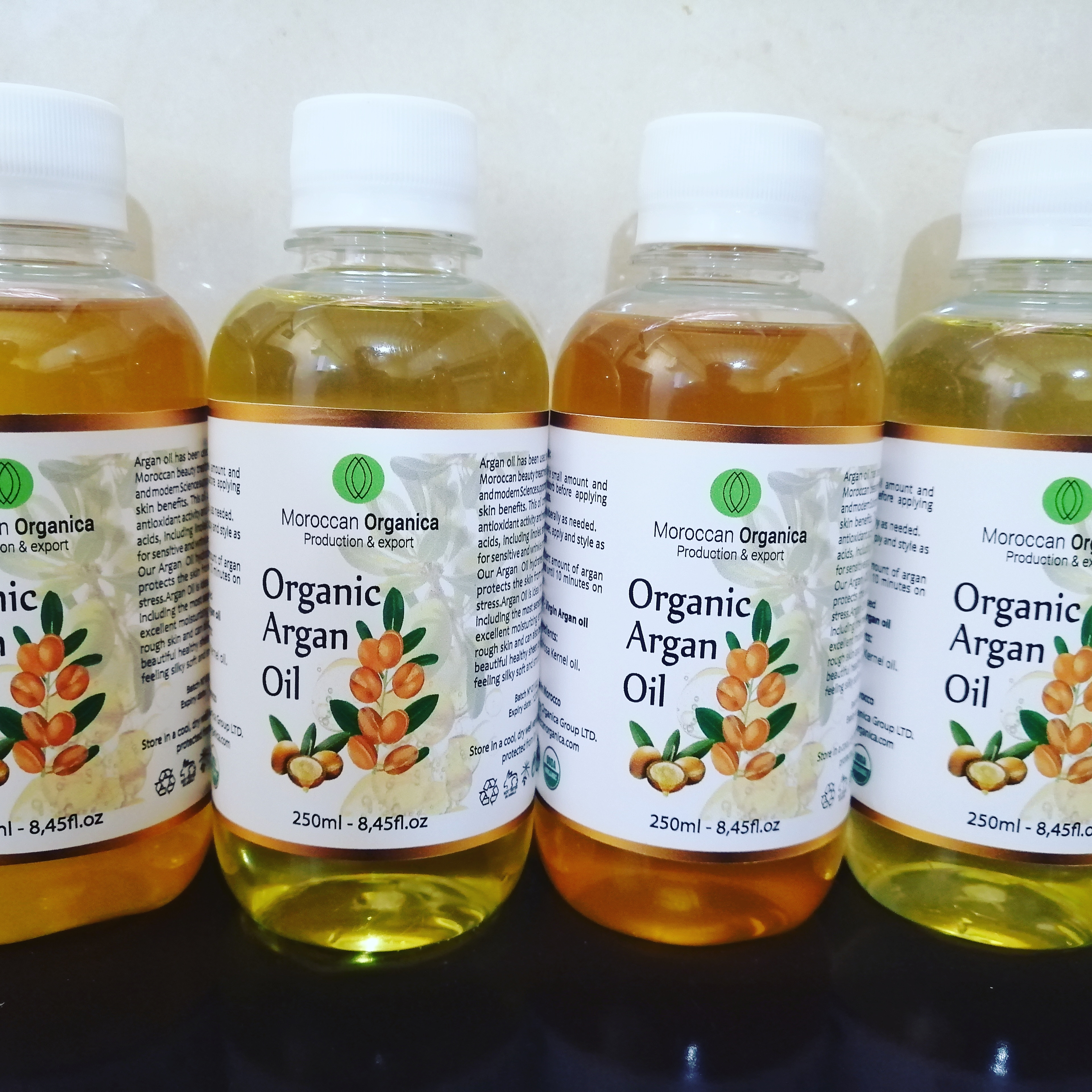
One small drop per nail, massaged into cuticles. Best used at night for softer, cleaner-looking nails.
Leer artículo2–4 drops depending on beard length. Massage into beard and skin underneath after washing your face.
Leer artículo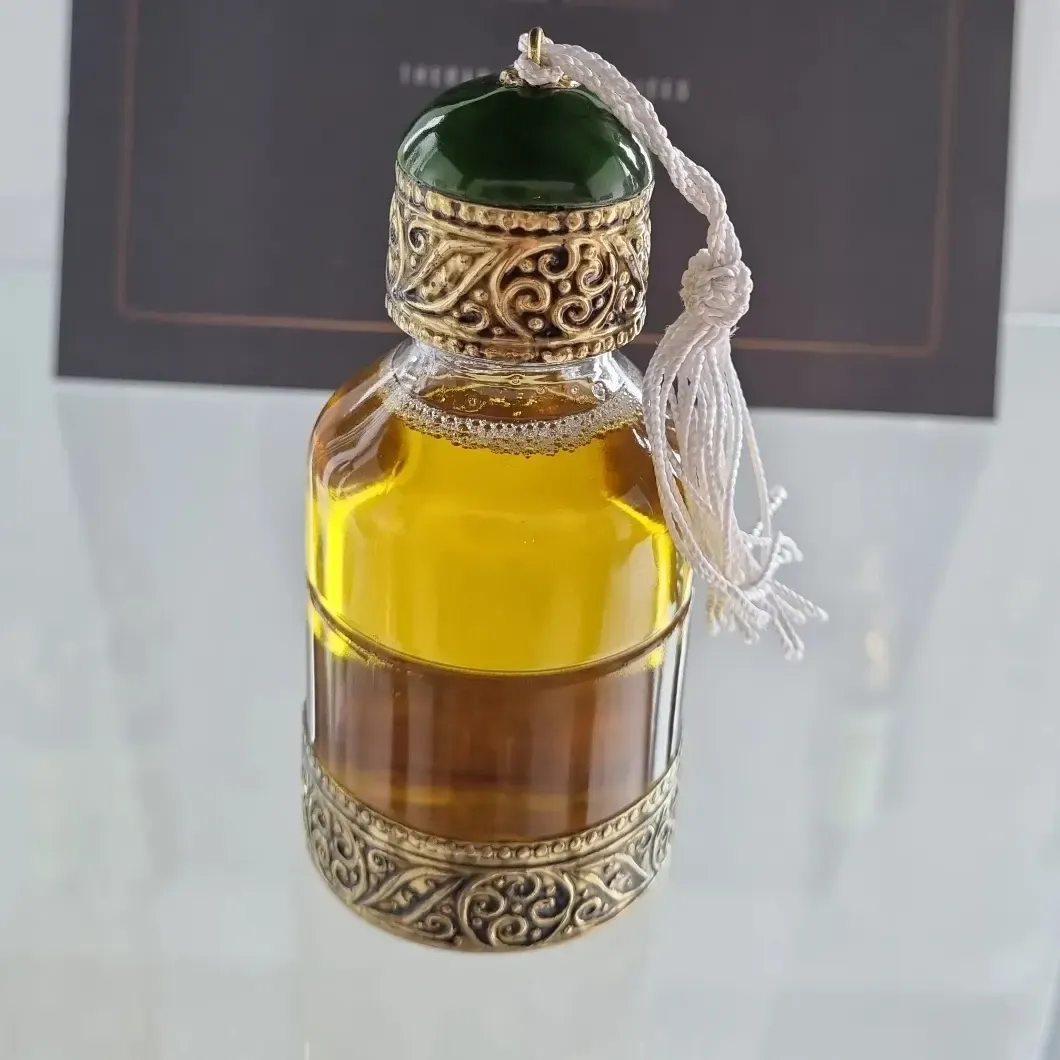
Face: 1–3 drops. Hair leave-in: 1–3 drops. Body: small amount per area. Beard: 2–4 drops. Start small and add only if needed.
Leer artículoPrecios mayoristas directos de fábrica en bidones y marca blanca.